See all questions (+47)
The stay
Is it a farm stay in the north of Tenerife?
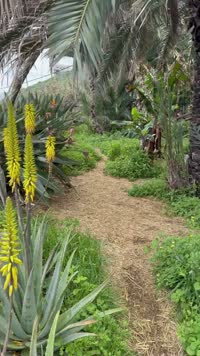
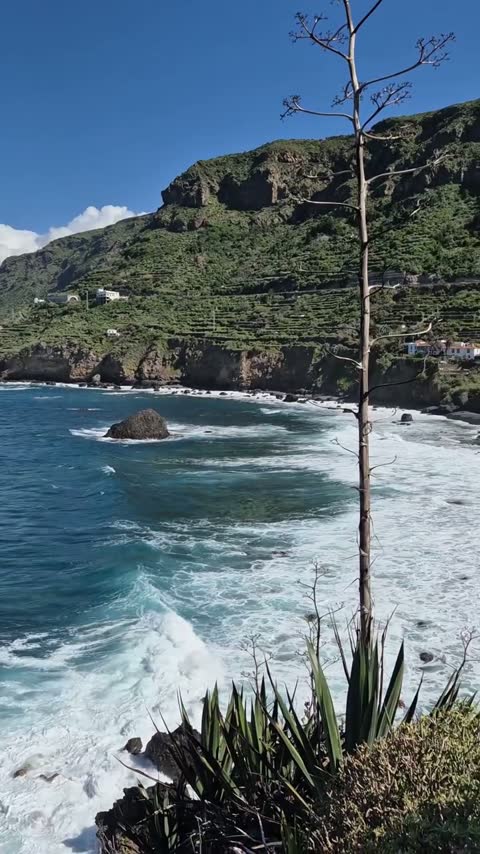
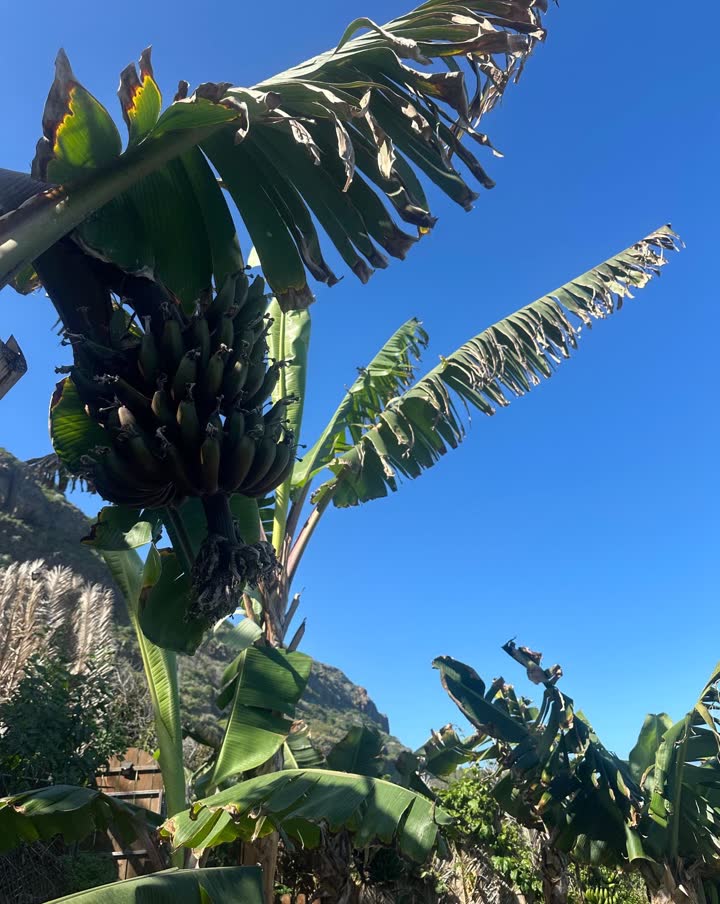
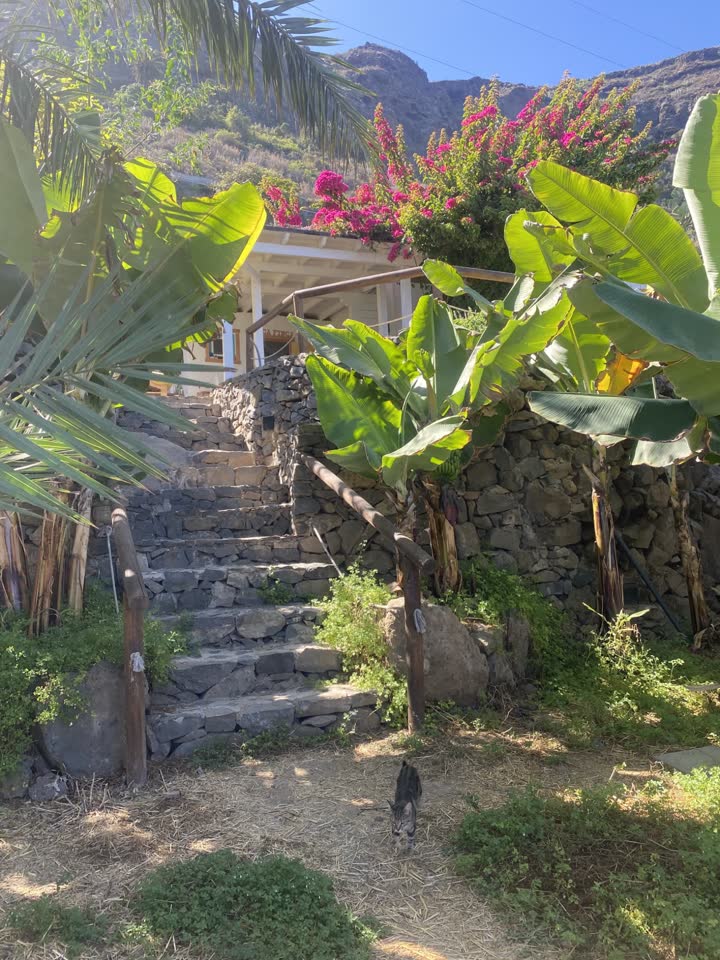
Yes: rural accommodation on a family farm in Las Aguas, San Juan de la Rambla, on Tenerife's north coast. Two places to stay with sea views, among banana plants, hens and palm trees.
What's the difference between the wooden cabin and the pink room?
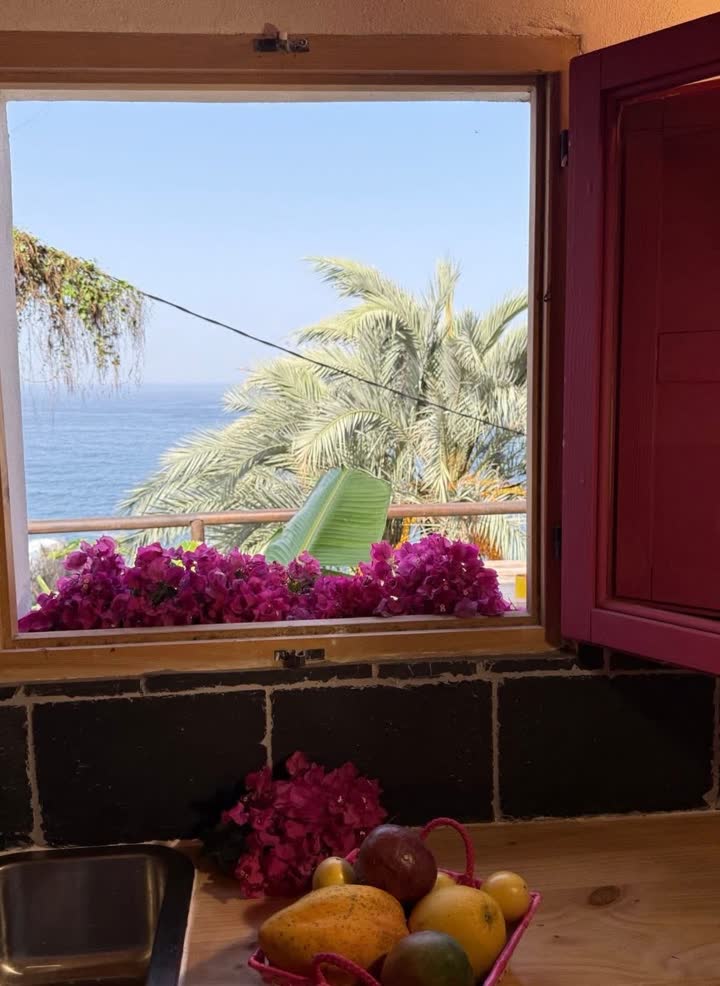
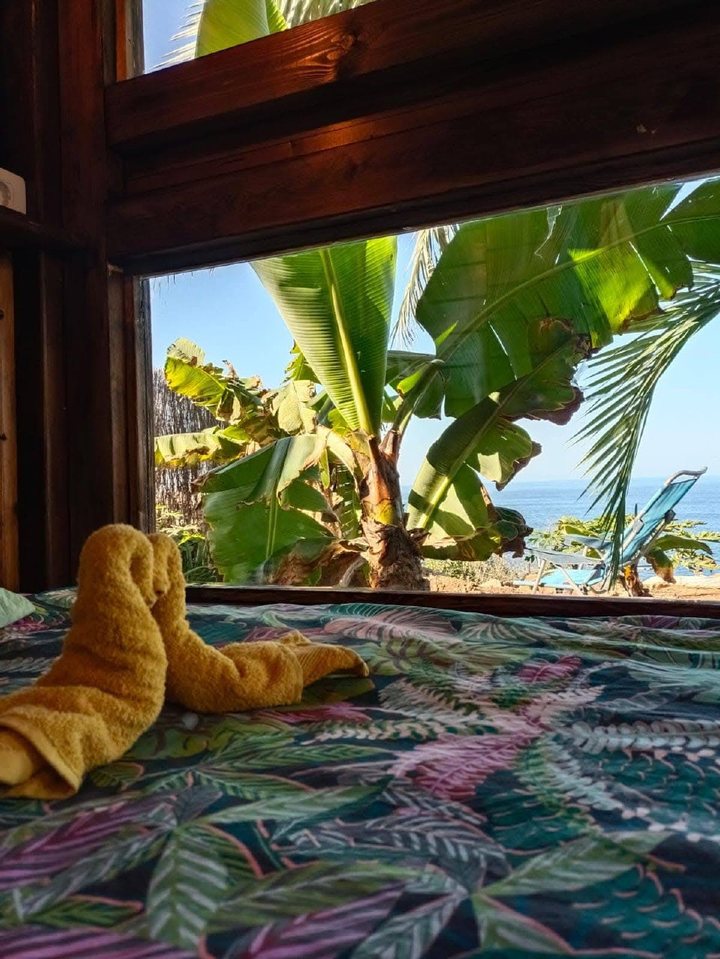
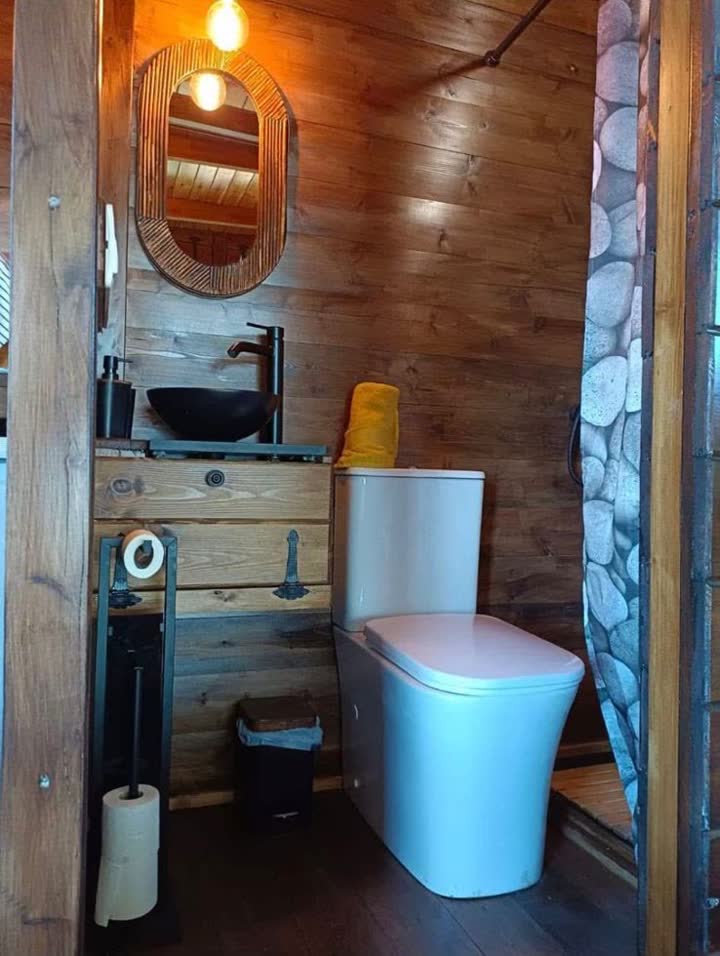
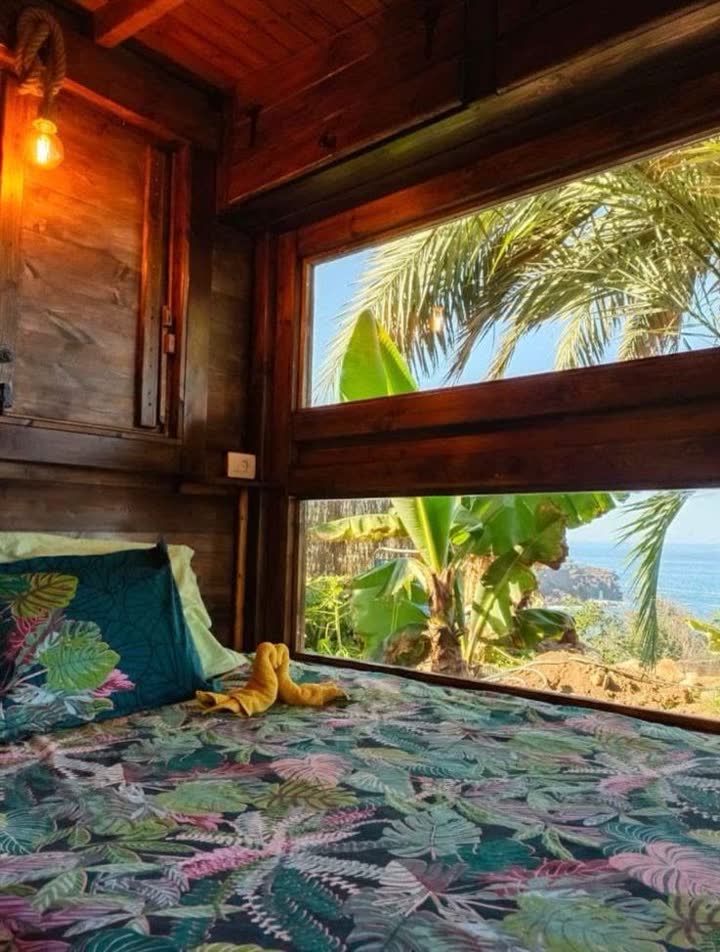
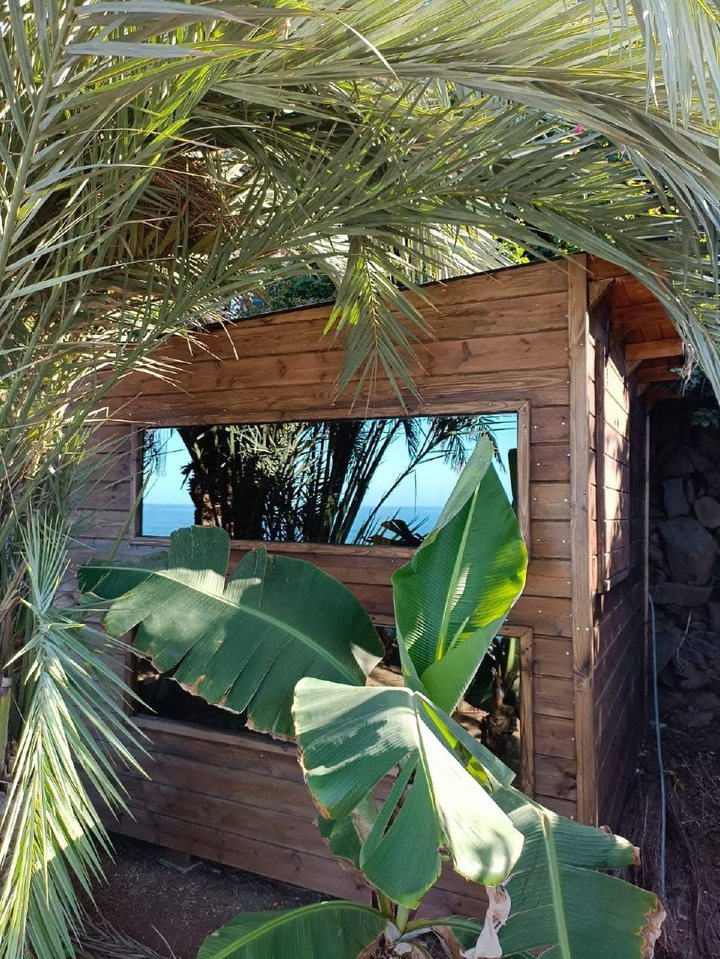
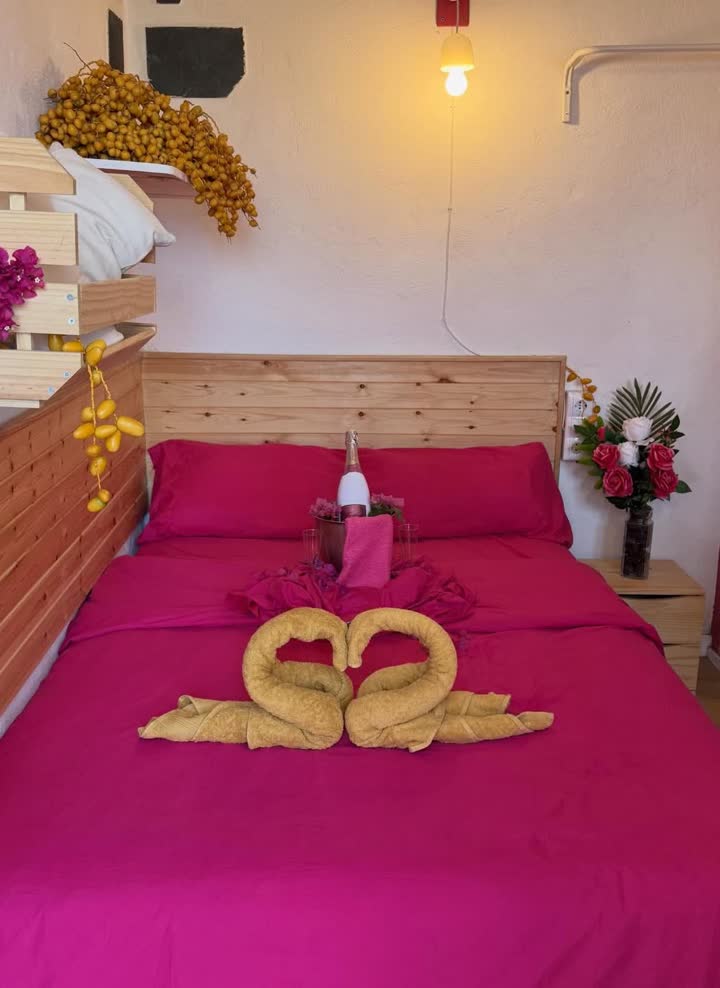
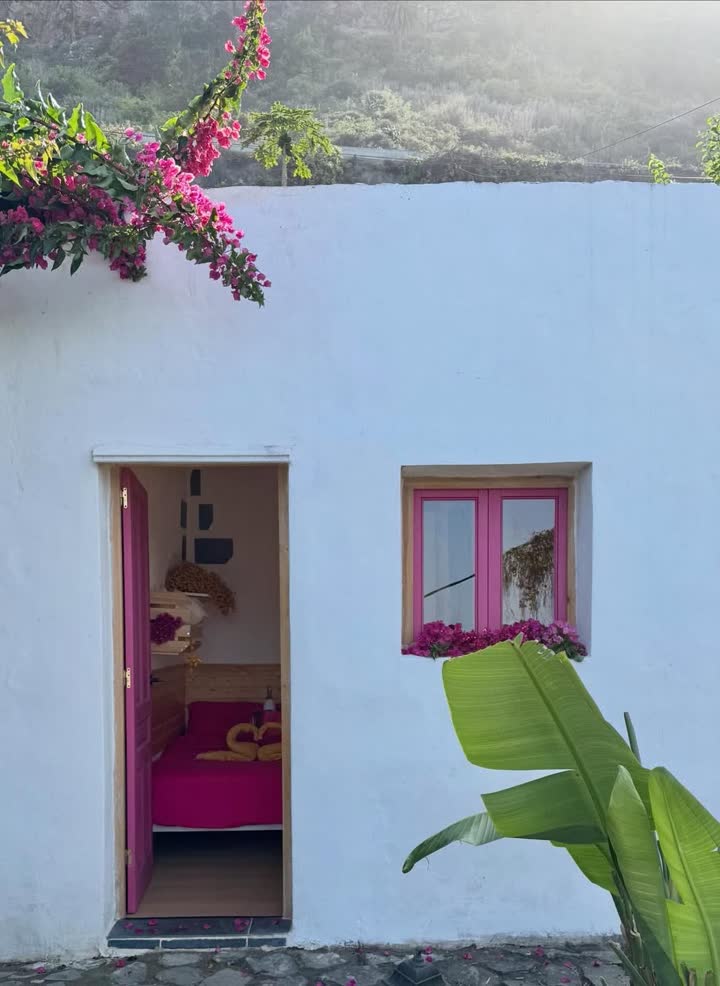
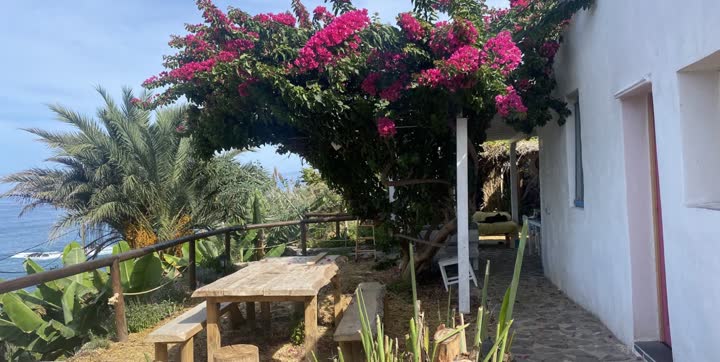
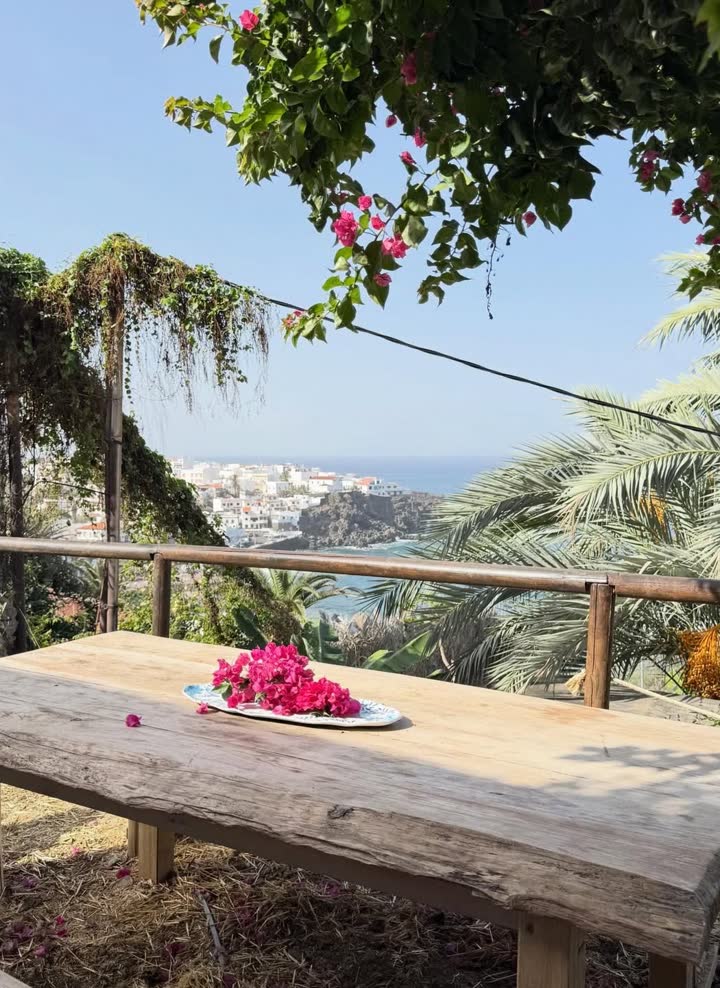
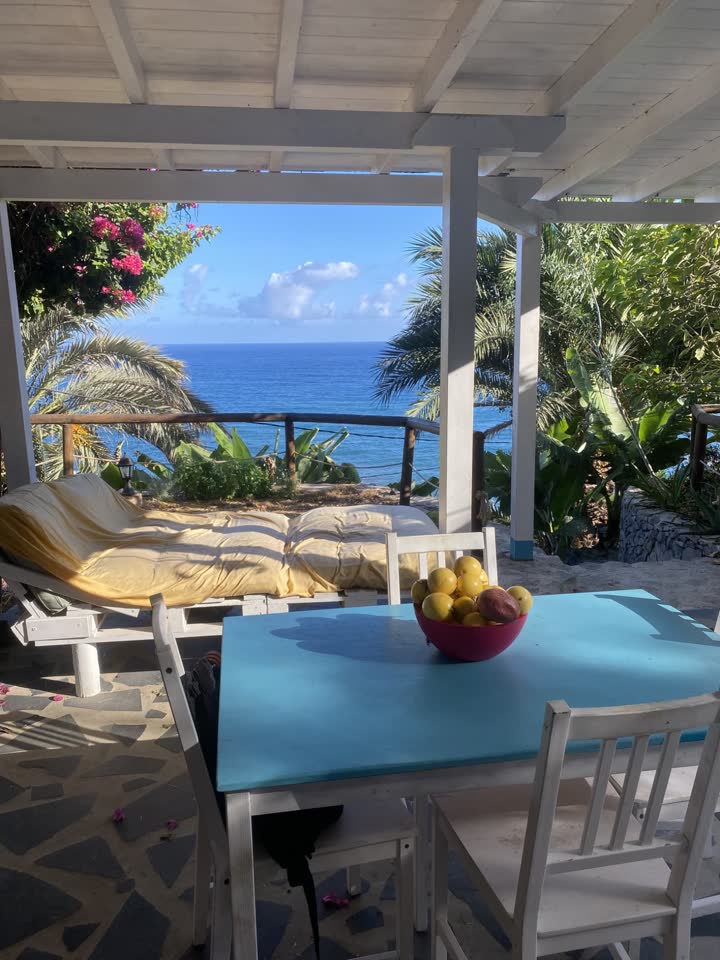
The cabin is downstairs in the zen corner, all wood, with the bed by a big window looking out to palms and the sea: the most independent option. The pink room is upstairs in the whitewashed house, with the pink window open to the sea, the terrace under the bougainvillea and the porch: the brightest option, closest to the life of the house.
Does the wooden cabin have sea views?
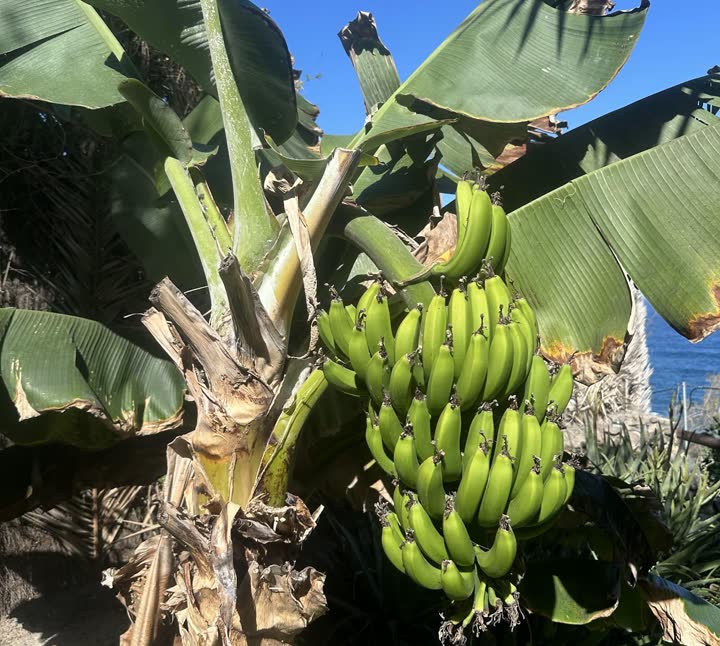
Yes. From the bed, by a big window, you see the banana leaves and the sea behind them.
How many people can stay?
Two people per place, in a double bed.
Do the rooms have a kitchen?
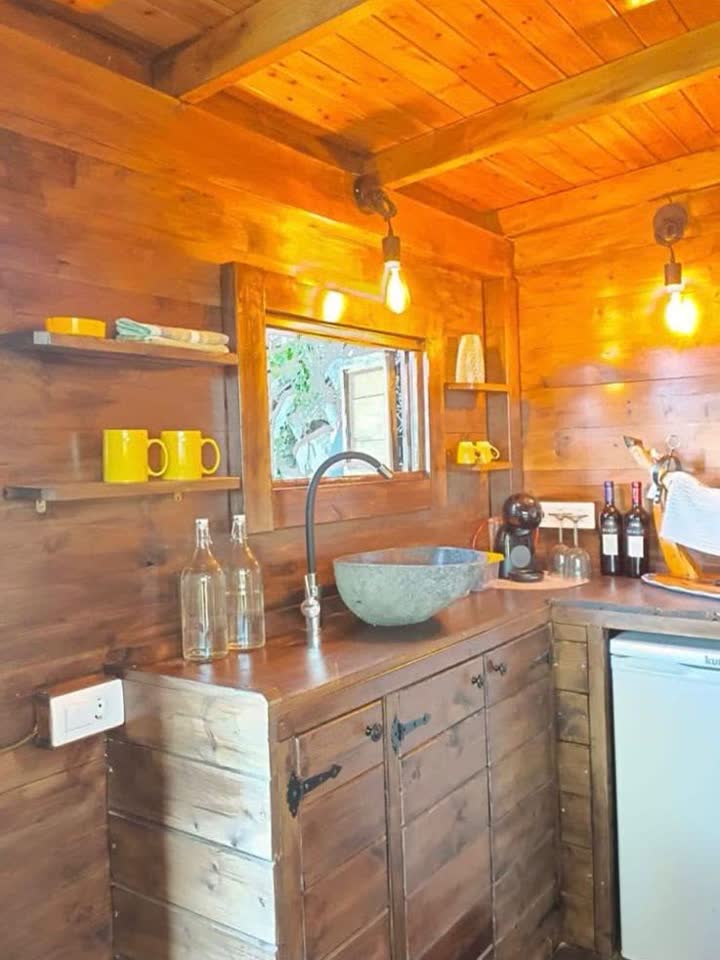
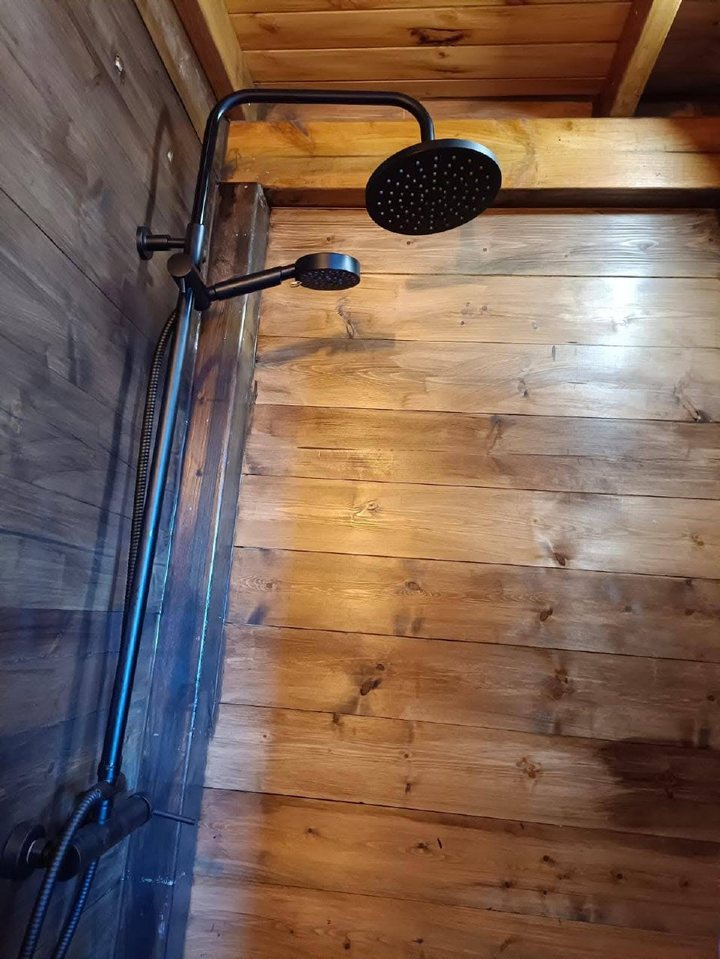
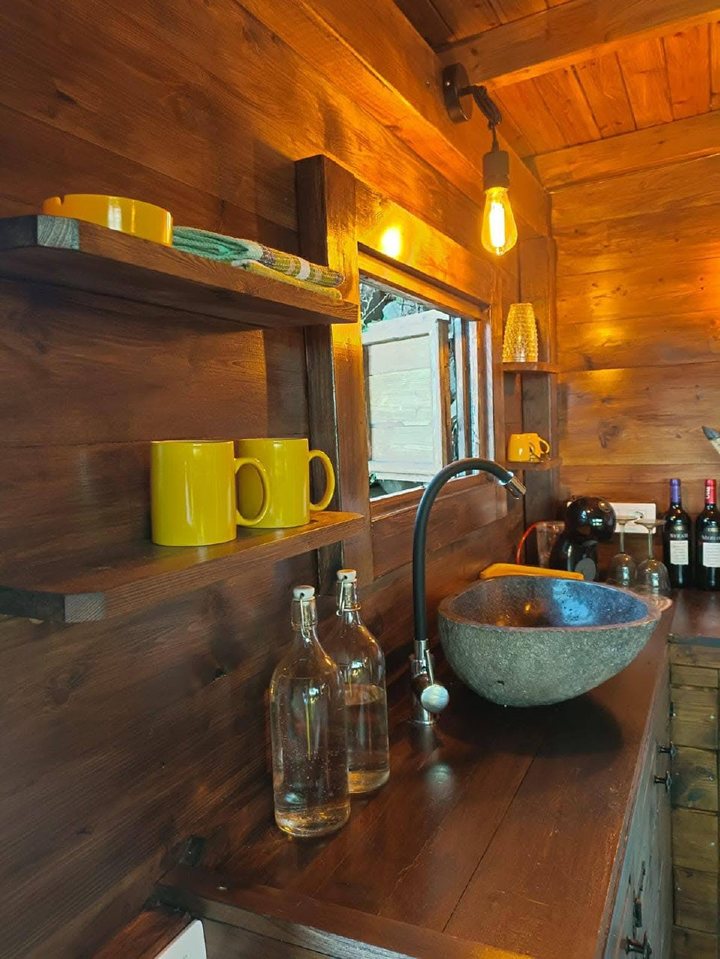
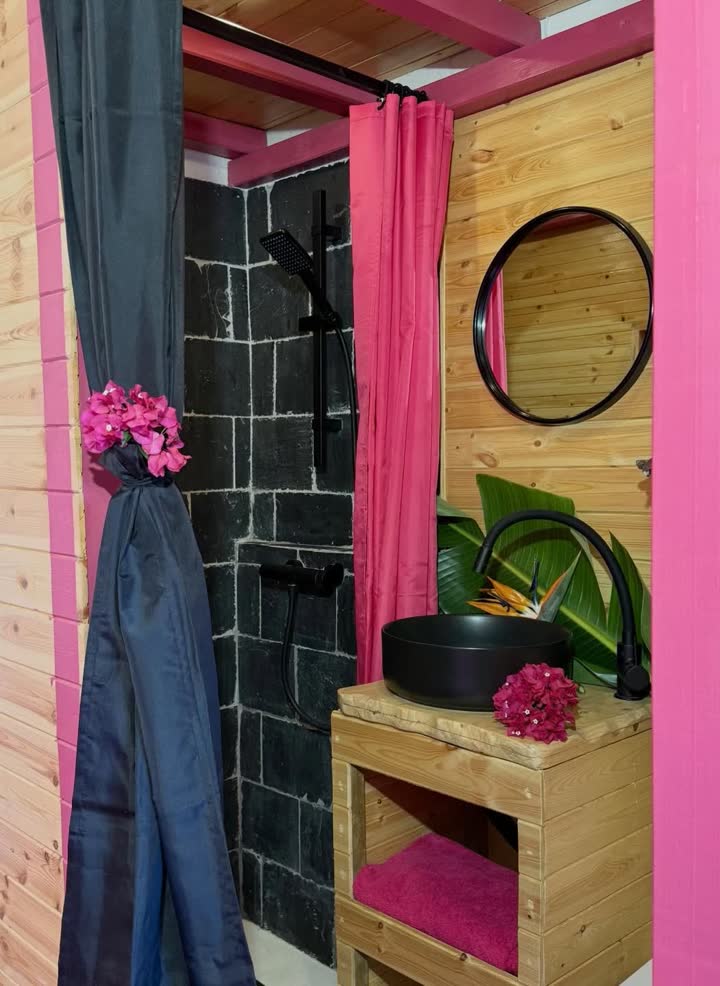
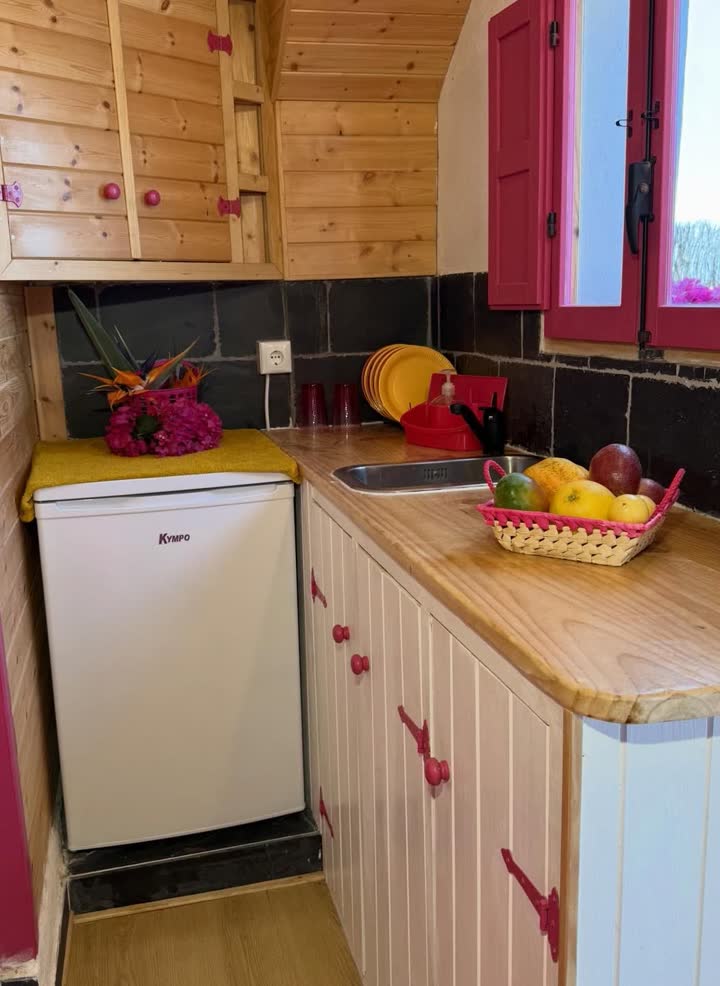
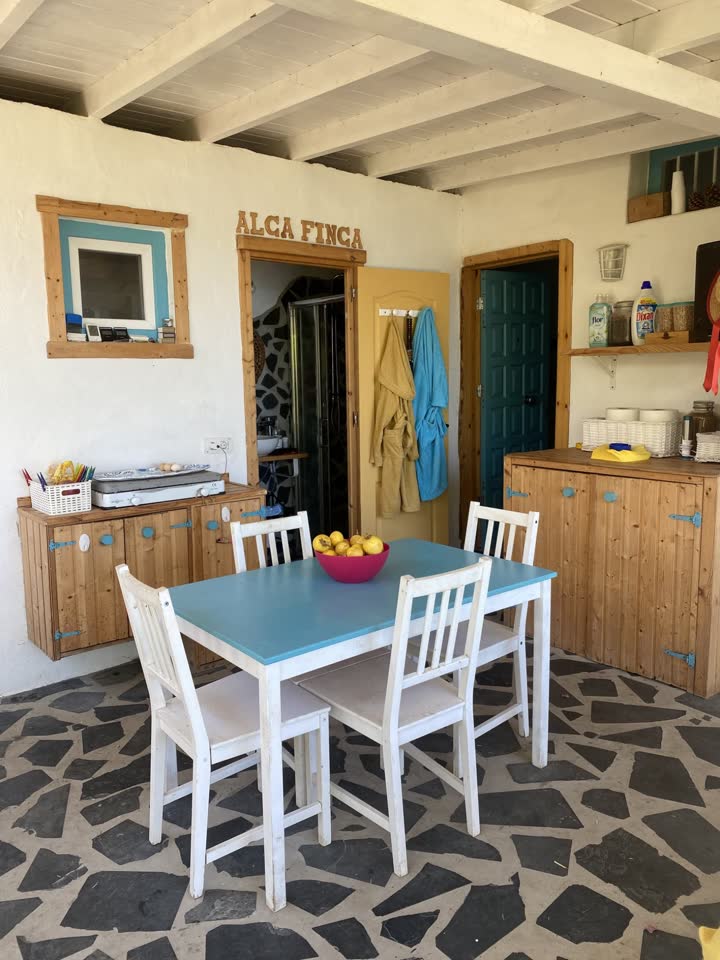
Yes. Each one has a basic kitchen with two burners and a fridge, and a private bathroom with a hot shower.
Can I work remotely from the farm?
Yes. There is fast Starlink wifi, good for remote work.
Is it good for a couples' getaway?
Yes: a double bed, your own bathroom, sea views and a quiet farm in a small northern village, with no bars or noise at night.
Is it a hotel?
No. It's a family farm: there's no reception and no room service. There's nature, animals, slow mornings and real farm life.
Are pets allowed?
Not as a rule, but let's talk: message us and we'll see.
What are check-in and check-out times?
We agree them with each guest. Send us your dates and we'll sort it out.
Is there a minimum stay?
It's agreed depending on your dates. Message us and we'll work it out.
How do I pay?
Payment is agreed directly with us: we talk first, then close the booking.
What plugs are used at the farm?
European type F (Schuko) sockets, 230 V; type C plugs fit too. If you're coming from the UK, the US or Brazil, bring an adapter.
Getting here
Do I need a car?
It's the easiest way: you park below, by the restaurants in Las Aguas, with no reserved space, and walk up. Buses also run from both airports to the entrance of San Juan de la Rambla; from the stop you walk down and then up to the farm.
How do I get there from the airport?
From the north or south airport: by hire car to Las Aguas, or by bus to the entrance of San Juan de la Rambla and the last part on foot. When you confirm, we send you the map with the path marked.
Is there parking?
You park below, by the restaurants in Las Aguas, with no reserved space, and walk up to the farm.
Is it accessible for people with reduced mobility?
Honestly, no. Getting here means walking up and down, with steps and steep slopes. Big suitcases are hard too.
San Juan de la Rambla and Las Aguas
Are there surf beaches nearby?
Yes: El Socorro beach, one of the good surf spots in north Tenerife, is a 12-minute drive from the farm.
What to see in San Juan de la Rambla?
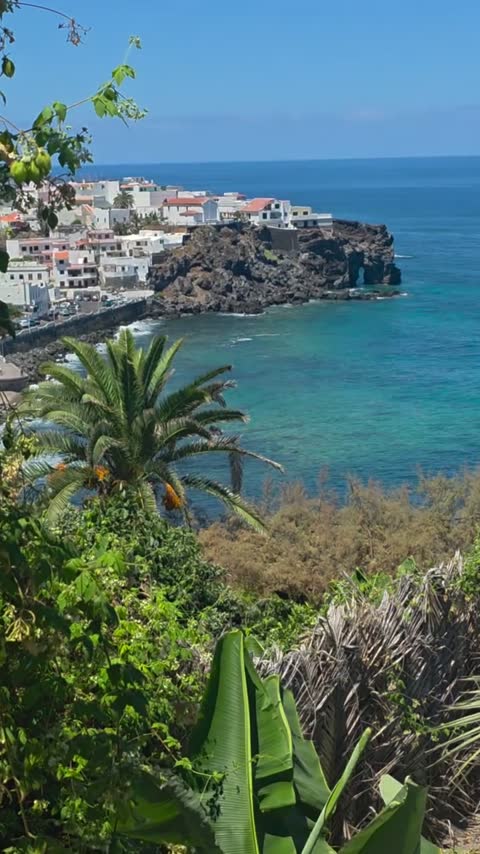
From the farm: the volcanic-stone beach right below, the Las Aguas natural pool, the Charco de La Laja (a 30-minute walk or 5-minute drive), the Ermita de Las Aguas with its square, and the viewpoint behind the chapel.
How do I get to the Charco de La Laja from the farm?
About 30 minutes on foot or 5 by car. Check the sea before swimming: with waves, it's better to just watch.
Is there a beach near the farm?
Yes, right below: a beach of volcanic stones, with waves. Sometimes, after the full moon and at low tide, the sea goes calm.
Are there shops and restaurants nearby?
Las Aguas is a small, quiet village of six or eight streets around the Ermita de Las Aguas chapel. The only shop is Minimarket El Roque, on Calle la Cruz, a 10 to 12-minute walk away: it opens Monday to Saturday with a midday break, until about 8:30 or 9 pm, and with its little tables and chairs it doubles as the village bar, where the neighbours meet. Next to it are the chapel, Plaza Pedro Pérez Luis and the Merendero Plaza Aguas picnic area, and behind the chapel there's a viewpoint. To eat out, nearby are the Cofradía Las Aguas and Restaurante Las Aguas, where many people stop on their way to take in the views; at weekends Restaurante El Sótano and Mesón Casa Mi Madre open too. A tip: bring the basics and cook in your place.
Is Las Aguas a quiet place?
Very. It's a small village of six or eight streets around the chapel, with no bars. The neighbours meet at Minimarket El Roque.
North or south Tenerife: where to stay?
It depends on what you want. The north is green, quiet and full of small villages; the south has more hotels and sandy beaches. From the farm, Adeje is 45 minutes by car.
The farm and its animals
Which animals live there?
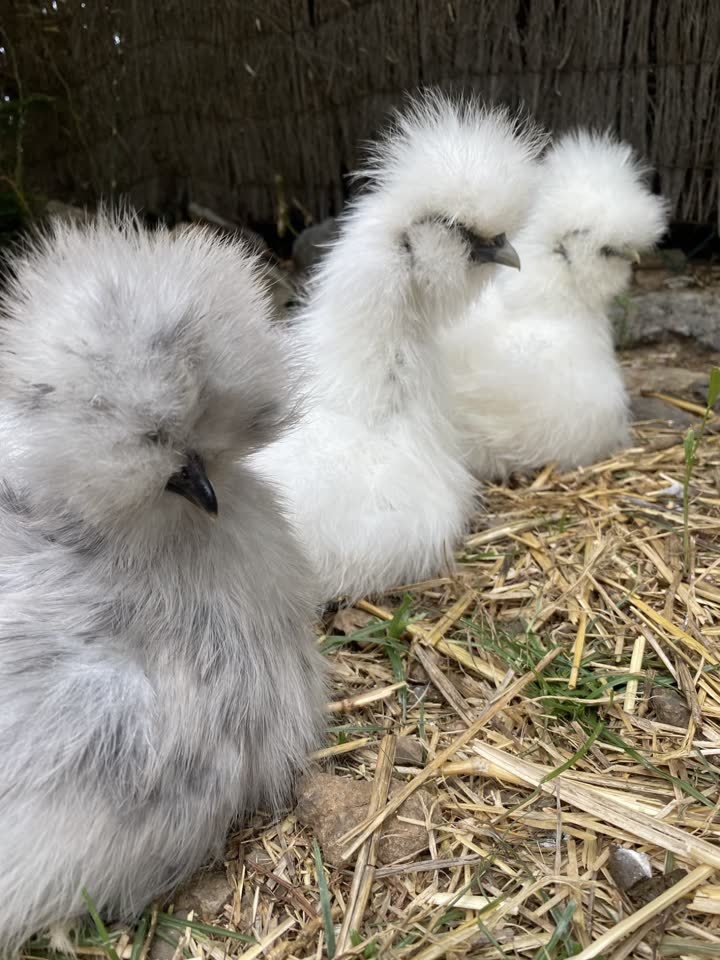
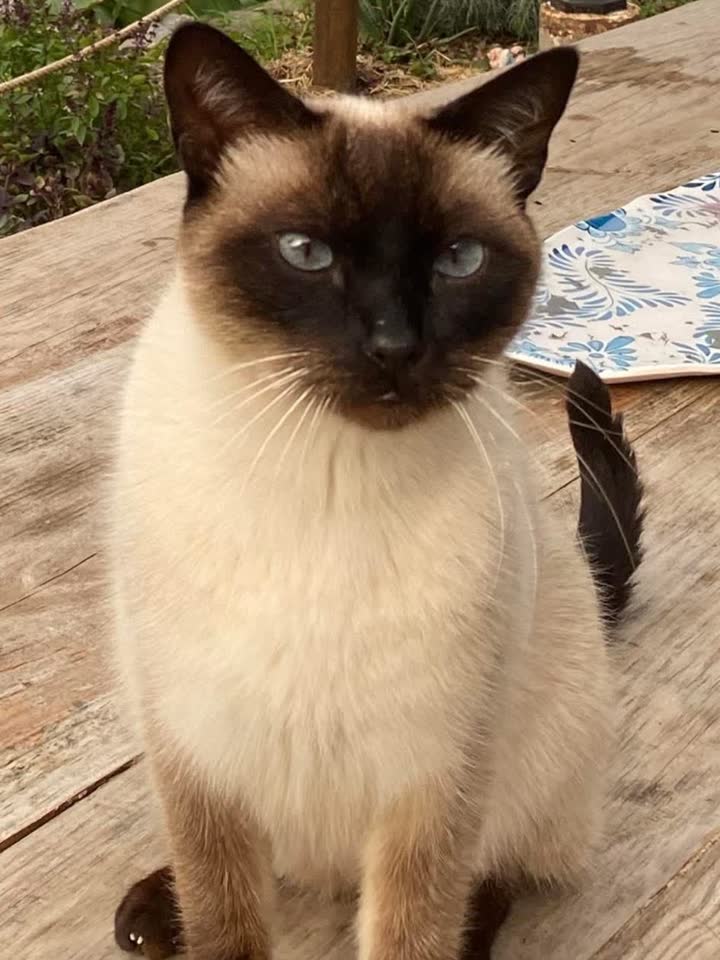
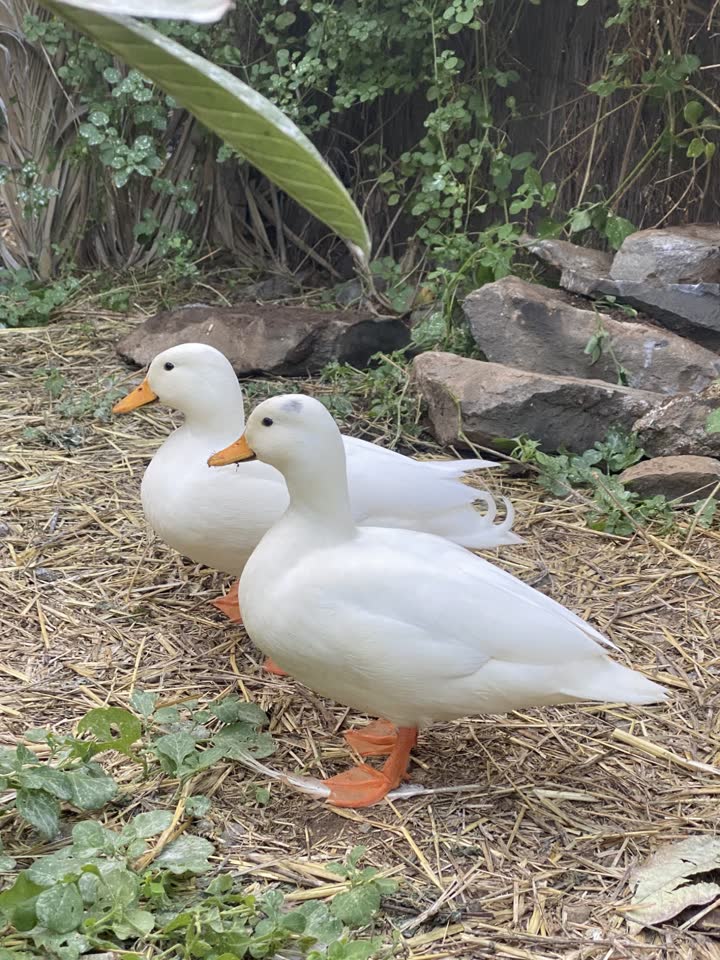
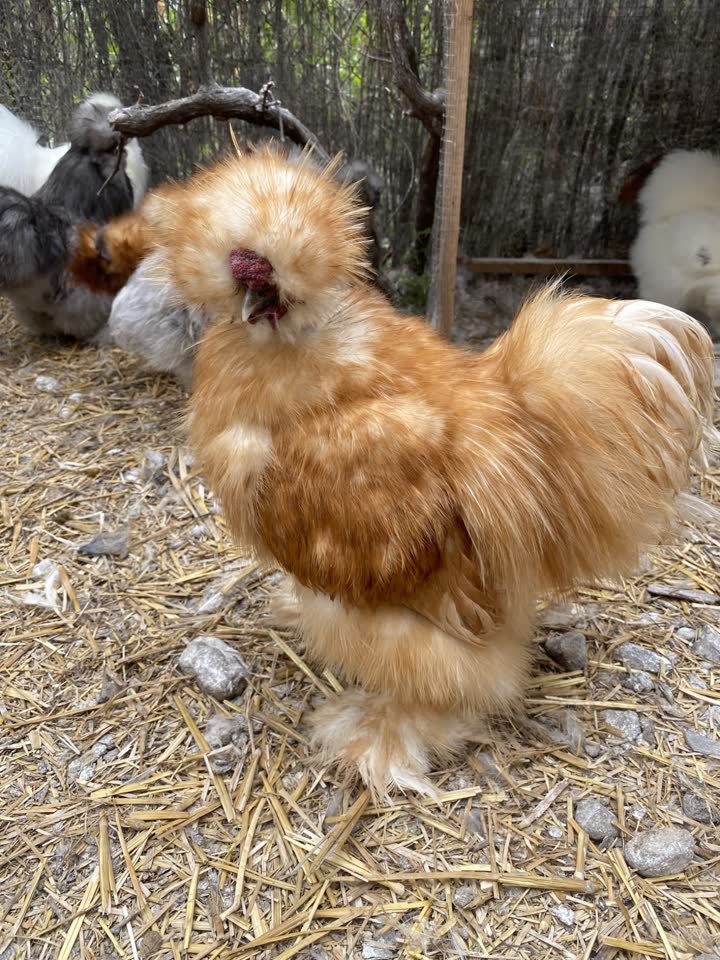
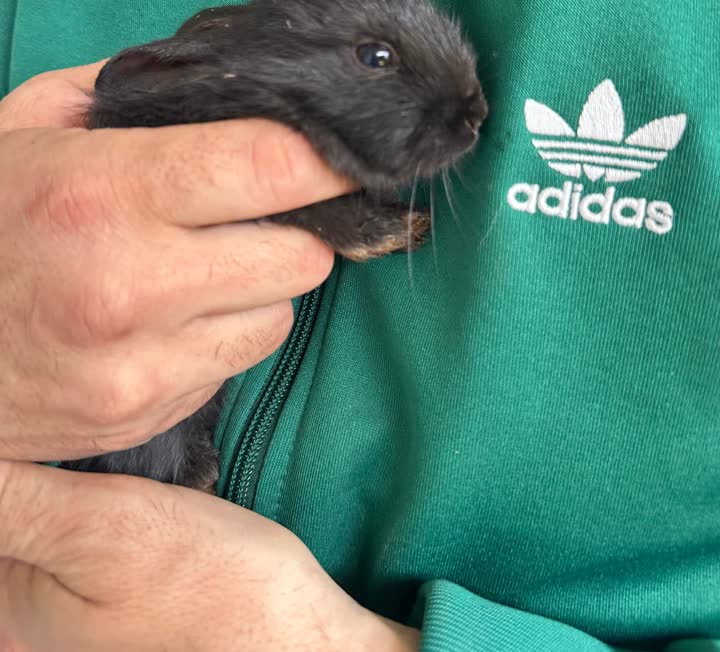
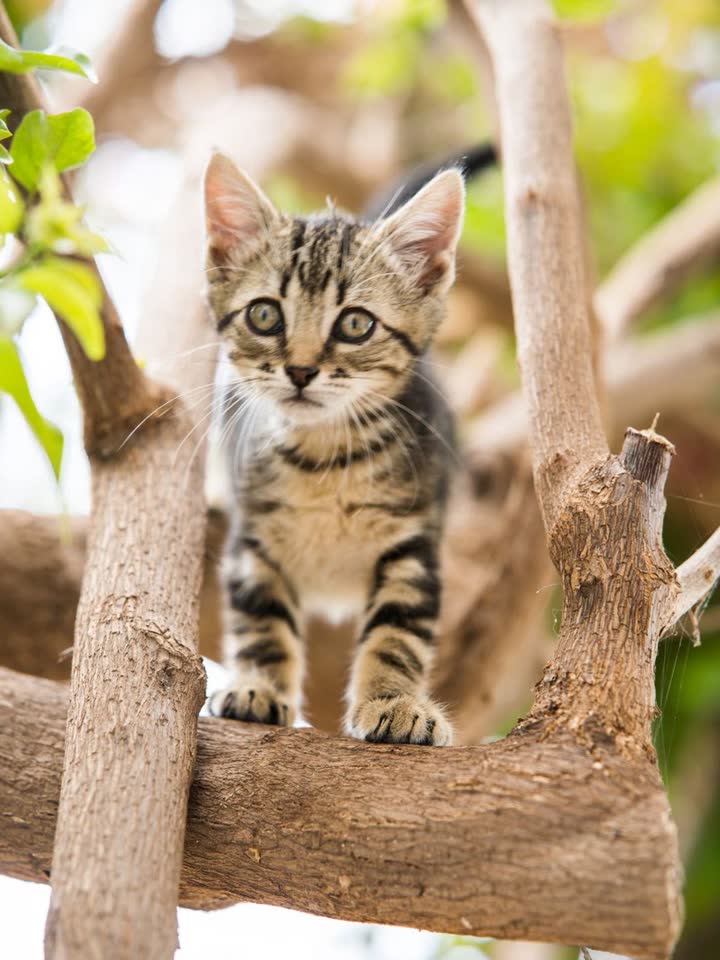
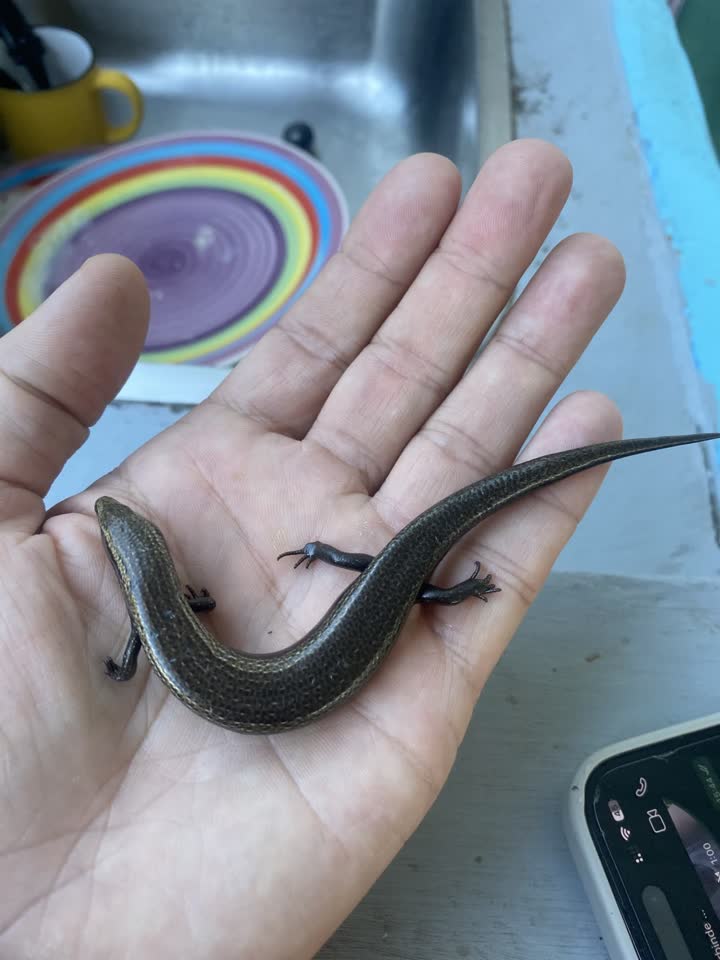
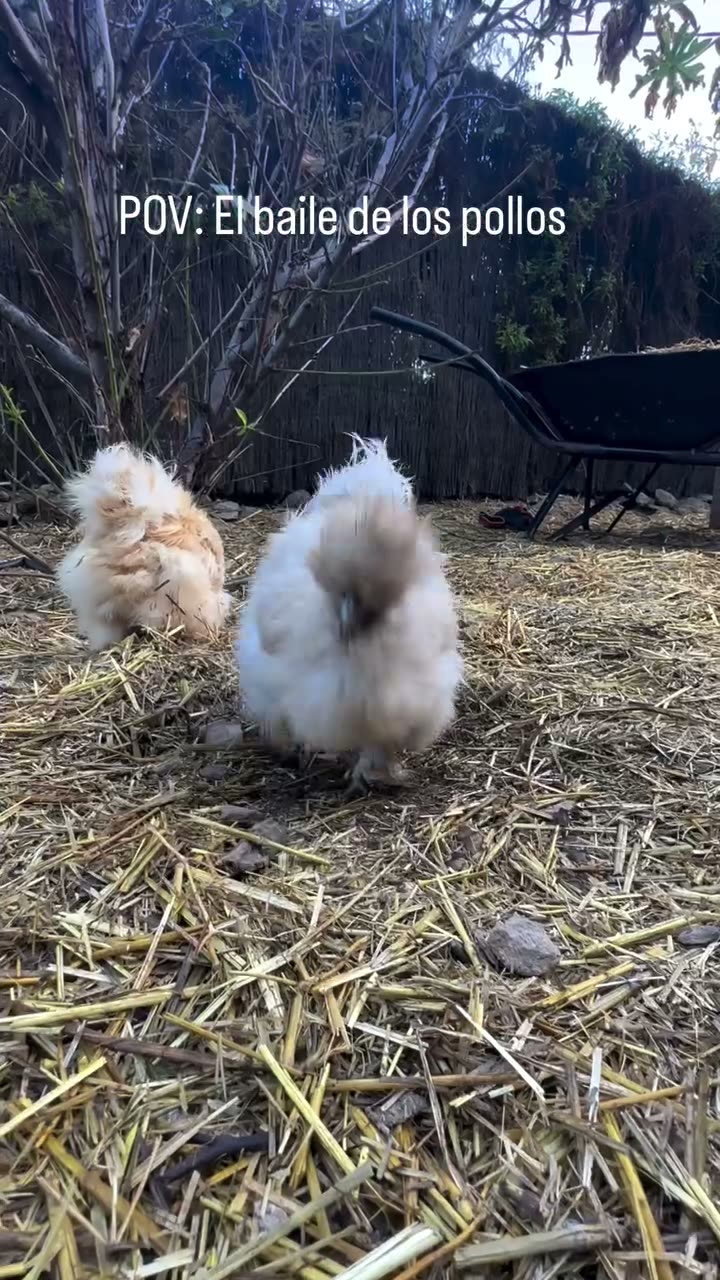
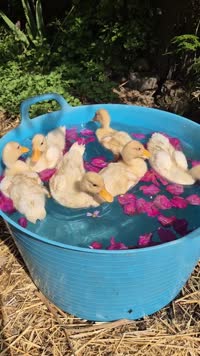
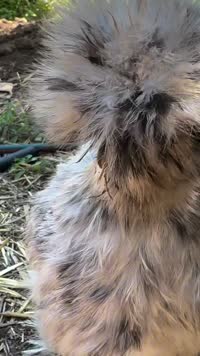
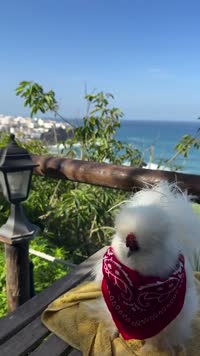
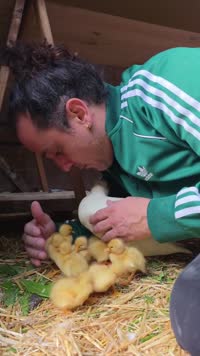
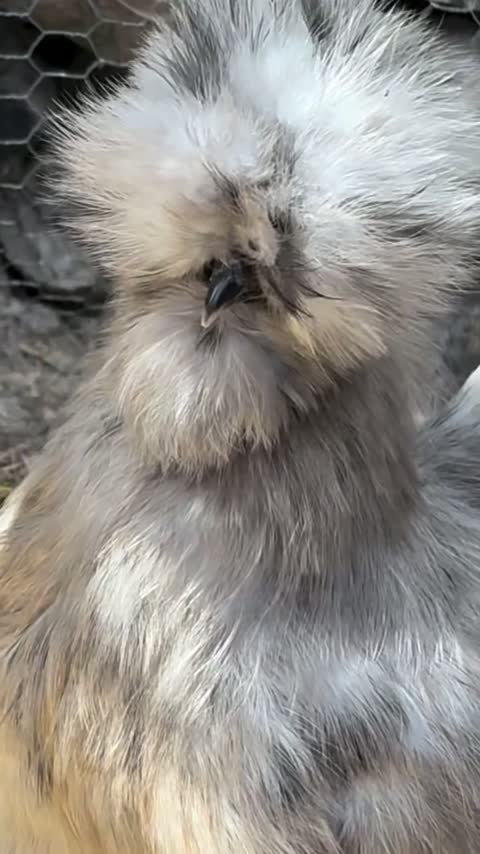
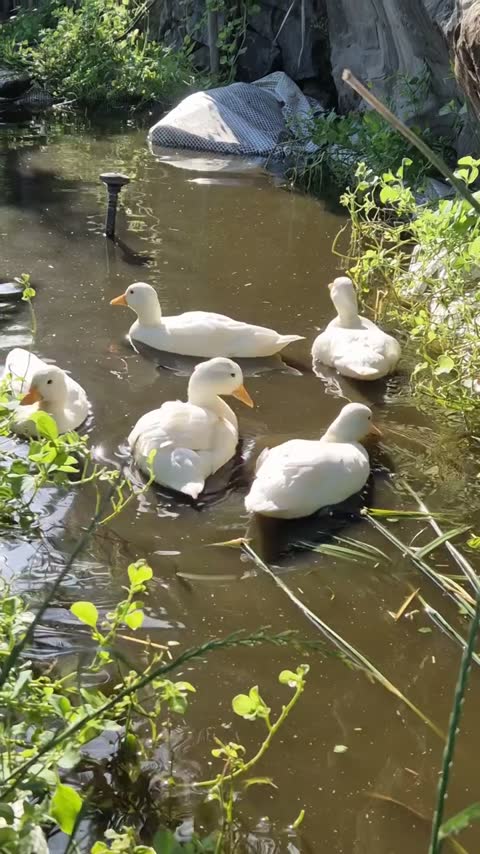
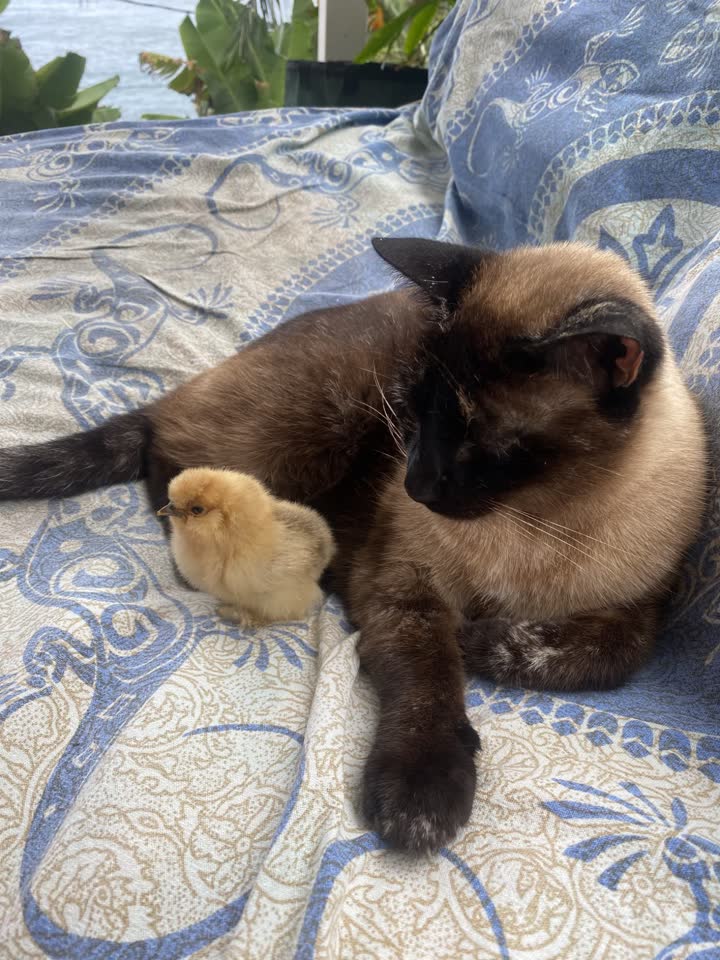
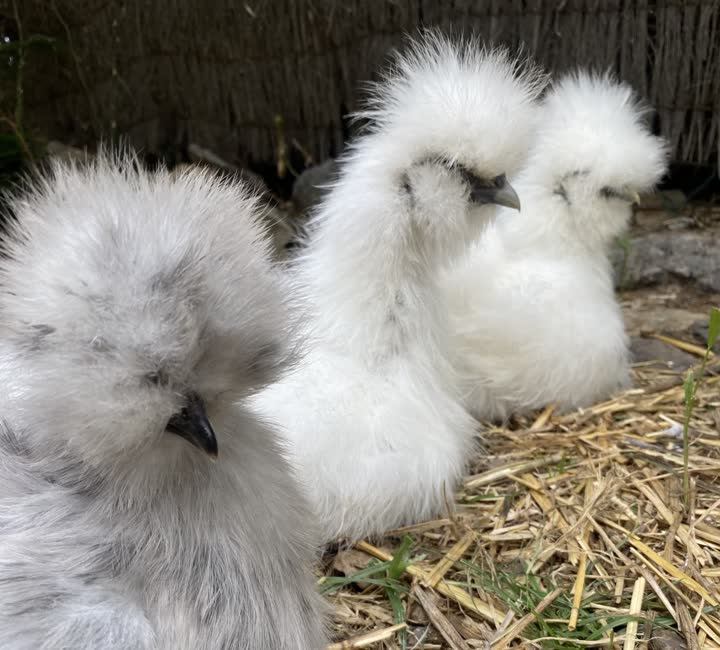
About 25 Japanese silkie hens and 4 roosters, with Bartolomeo in charge; some 20 newborn chicks, 3 ducks and 6 cats. Numbers change with the seasons. Plus the wildlife of any farm: plenty of lizards, ants, the neighbours' cats, and few mosquitoes and flies.
What are silkie hens?
Japanese hens with soft, hair-like feathers. About 25 live at the farm, with 4 roosters, and they lay 3 or 4 eggs a day.
Who is Bartolo?
Bartolomeo, Bartolo to his friends: the Japanese rooster in charge of the yard among the farm's four roosters.
What grows at the farm?
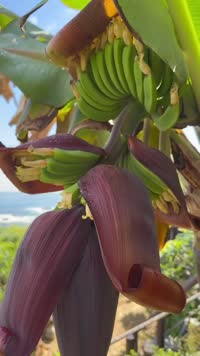
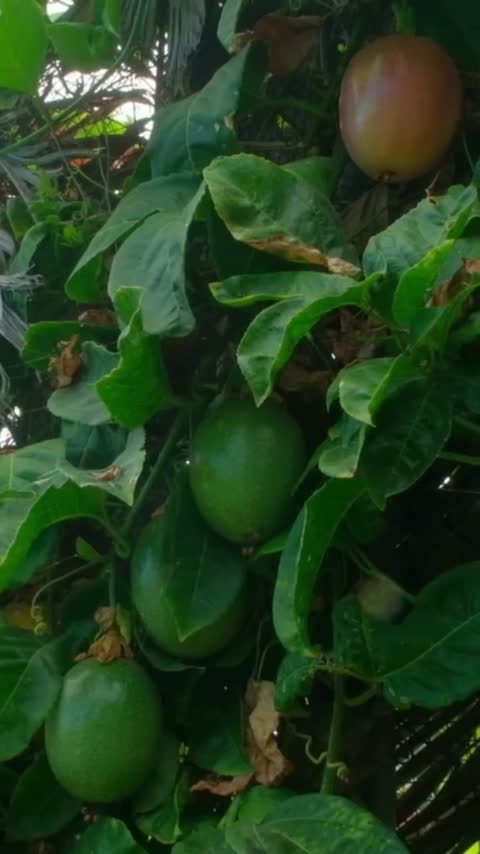
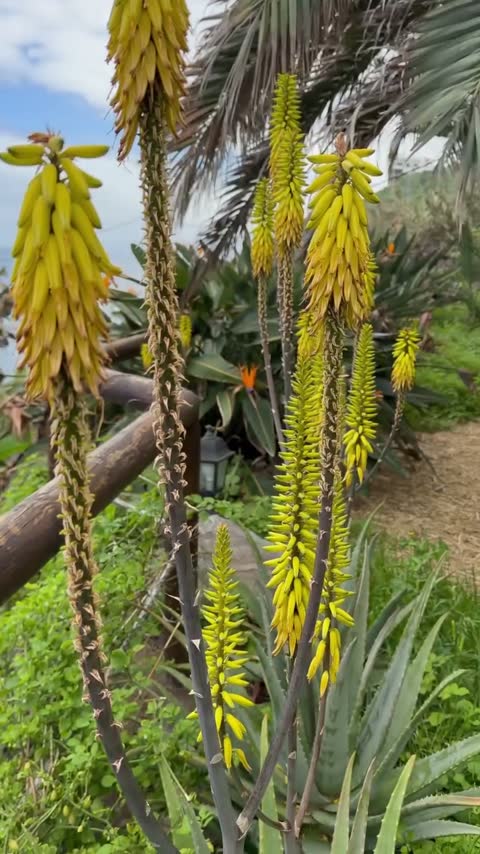
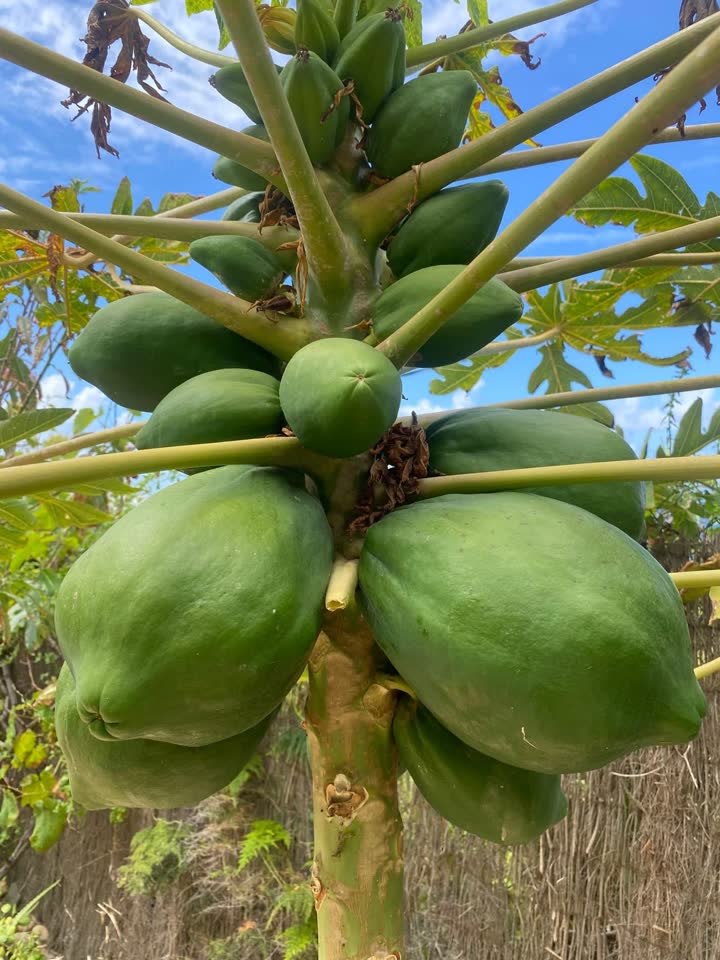
Depending on the season: bananas, papaya, avocado, passion fruit, guava, mango, dates and olives from our olive tree; tomatoes, green peppers, pumpkin, courgette, sweetcorn and jalapeños; and parsley, oregano, basil and rosemary. The silkie hens lay 3 or 4 eggs a day. We don't sell anything: it's all for the farm's table. Up on the open terrace at the top of the farm we've just planted lettuce, watermelon and much more, in the shade of a beautiful olive tree, with a stunning view.
Are the bananas grown on the farm?
Yes. They ripen in the sun on the plant until the very last day, with no ripening rooms: that's why they're so sweet.
Volunteering in Tenerife
Is there volunteering in Tenerife with food and accommodation?
Yes, at Viva la Finca: a double bed indoors, with bathroom and kitchen, a simple breakfast and lunch and dinner on weekdays, in exchange for working 9:00 to 12:00 on the farm.
What is a volunteer's day like?
From 9:00 to 12:00 you look after the animals and the henhouse (straw, cleaning and repairs to keep rats out), work in the garden, prune with the tools from my workshop and do small painting and repair jobs. Once a week it's watering day: the water arrives and each plant gets one or two minutes. Then lunch, often cooked together.
Do volunteers get days off?
Yes: weekends and public holidays.
Which languages do volunteers need?
Fluent Spanish, Italian, English or Portuguese.
How long can I volunteer?
We agree it with each person. There are up to two places, depending on what's free: guests come first.
How do I apply to volunteer?
Fill in the volunteer form or message us on WhatsApp. Then we have a video call.
Do volunteers sleep in a tent?
No. At Viva la Finca every volunteer sleeps indoors in a double bed, with a private bathroom and kitchen. There are up to two places, depending on what's free.
Claudio, Al Cafone and singing lessons
Who is Claudio?
Born in Venice, he has lived in the Canaries for 18 years. He's the one who opens the farm's door, cooks with the volunteers and, at night, becomes Al Cafone.
What is the Al Cafone Show?
Claudio's show: live music, comedy and a different character for every song. He performs in Tenerife's five-star hotels, one or two shows a night.
Where can I see the Al Cafone Show in Tenerife?
In five-star hotels around the island; on Sundays at the GF hotels in Costa Adeje, such as GF Gran Costa Adeje and GF Isabel.
How do I book a show for a hotel or event in Tenerife?
Message Claudio on WhatsApp (+34 620 483 333) with the event, date and place. He does hotels, corporate events, private parties and celebrations.
What songs does Claudio sing?
In the Al Cafone Show, from Mambo Italiano and Volare to Purple Rain and It's a Man's World. He also has a covers set: Bon Jovi, Luis Miguel, Queen and much more.
Does he perform outside Spain?
Yes, he's open to taking the show to places like Singapore, Qatar, Miami or California, and to New Year's Eve parties in hotels.
Are there singing lessons in Tenerife with Claudio?
Yes: Viva Voz, his own method, in 10 classes of 1 h 30 covering technique, style and stage. For the venue and next dates, message him on WhatsApp.
Do I need experience for the singing lessons?
No. Viva Voz is designed so anyone can sing better, look after their voice and dare to go on stage.
Is there a free singing guide?
Yes. Leave your email in the Viva Voz section and download the free guide (in Spanish): how your voice works, breathing exercises and the 10 classes of the method.
Contact
What is Viva la Finca's WhatsApp?
+34 620 483 333. The email is vivalafincatenerife@gmail.com.
Is there an Instagram?
Yes: @vivalafincatenerife, with daily life at the farm and with Claudio.